





Ah, winter! The season of peppermint mochas, chunky knit scarves, puffer jackets, and streets that sparkle (sometimes from snow… sometimes from ice). However, let’s not forget the most important seasonal shoe shuffle. As the temps drop and the sidewalks get slick, so too should your shoe game. Whether you’re a fitness enthusiast, an outdoor adventurer, or a style icon, I’ve got you covered. Lace up, bundle up, and let’s dive into the world of winter footwear!
Embracing the Cold: Outdoor Adventure Shoes
For those who love exploring the great outdoors, winter brings a whole new kind of adventure — snowy trails, frosty overlooks, and that clean, quiet “winter wilderness” vibe. The right footwear can make or break your day outside.
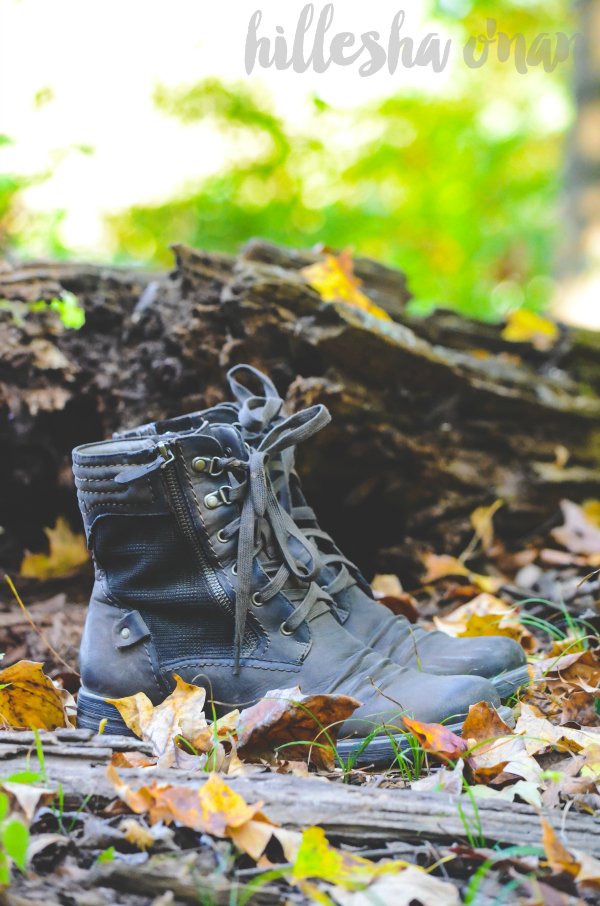
When it comes to women’s hiking boots in winter, the best pair is the one that fits your foot shape and your actual conditions. We’re not aiming for just the cutest option on the shelf! Look for boots that are built with a narrower heel, supportive mid-foot structure, and a roomier toe box. Your toes need space to wiggle for warmth, especially with thicker socks. A gusseted tongue helps keep snow from sneaking in, and a rubber toe cap is a lifesaver for kicking through crusty snow or bumping rocks hidden under powder.
If you run cold, aim for 200g+ insulation for true winter hikes, and pair them with moisture-wicking wool socks. Cotton will leave your feet damp and chilly. Don’t forget to break them in before a long trek! Winter is not the season to discover a hot spot five miles from the trailhead.
Also, don’t overlook hiking boot insoles! Hiking boots insoles can seriously upgrade the comfort and warmth for hiking boots in winter. A quality insole can add better arch support, improve heel stability on uneven or slippery terrain, and reduce fatigue on long climbs or snowy descents. Some winter-friendly insoles also offer a bit of thermal insulation, which helps buffer your feet from cold ground. Just make sure the insole doesn’t make the boot too tight: you still want enough room for toe wiggle and thicker socks, and you don’t want to cut off circulation. If you swap insoles, try your boots on with your hiking socks and walk around. Your feet should feel supported, secure, and not cramped.
A solid pair of women’s winter hiking boots (or insulated hikers) are a must for any cold-weather explorer. Look for strong ankle support, a sturdy sole with deep lugs for grip, and waterproof protection to keep snow and slush where they belong: outside your boots. And of course, warmth is non-negotiable! Choose boots with insulation (and enough room for thicker socks) so your toes stay toasty on long treks.
If your adventures involve packed snow or icier terrain, traction becomes everything. You want to prioritize boots built for winter conditions, not just “regular hikers but colder.” Your feet will thank you later.
For all the runners out there, winter means crisp air, quiet mornings, and that unbeatable “I actually did it” feeling when you get out the door. As the cold temps, slush, and surprise icy patches can make choosing the right running shoe a little tricky. Fear not — I’ve got your toes covered (literally)!
Running into Winter: The Perfect Running Shoes
When selecting running shoes for winter, focus on two main factors: weather protection and traction + comfort. Look for shoes with water-resistant or waterproof uppers to keep your feet dry through slush, light snow, and salty sidewalks. If you tend to run early or after work, consider reflective details too—winter days are short, and visibility matters.
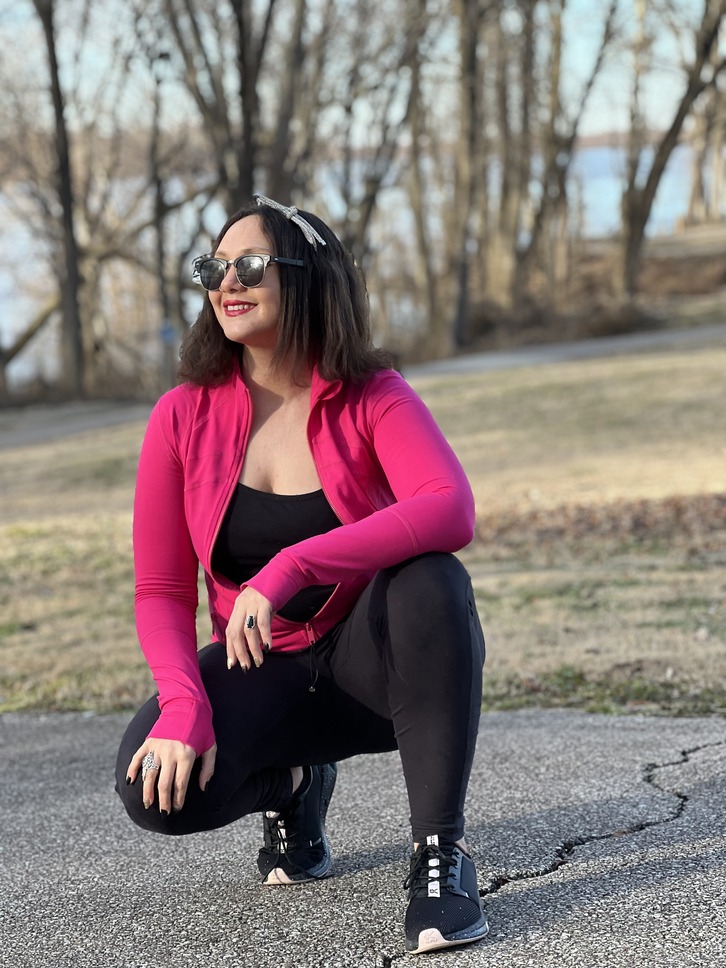
Running shoes should be supportive and cushioned, but did you know insoles can make a world of difference, especially in winter? The right running insoles can provide extra arch support, reduce foot fatigue, and help keep your stride stable when conditions are less-than-perfect. Think of them like a pillow-top upgrade for your feet. Bonus: you can swap them out when they wear down, extending the life of your shoes (and keeping winter runs way more comfortable).





Add Comment